November 28, 2026
Which outdoor chair materials resist chlorine and repeated splashes?
By @outdoorcomfort
Chlorine and frequent splashes call for chairs made from nonporous materials with simple shapes and fewer places for water to sit. Resin outdoor chairs are a strong choice around pools because molded resin does not absorb water, does not need painting, and can be rinsed clean. Aluminum frames and mesh slings also hold up well when the hardware is corrosion resistant. Wood, cushioned seating, and woven materials can work in covered areas, but they need more care near a pool.
The main issue around a pool is not just the chair surface. It is the mix of chlorinated water, sun exposure, heat, sunscreen, and repeated wet-dry cycles. A material may handle rain on a patio and still struggle when splashed every day with pool water. The best choice keeps water moving off the frame, dries quickly, and can tolerate routine surface cleaning without losing its finish.
Why resin works well near pools
Resin outdoor chairs are usually made from molded synthetic material rather than a coating over wood or metal. That matters because there is no paint layer to chip when a chair is dragged across a pool deck, and no bare edge that needs sealing. Chlorinated splashes tend to bead or run off the surface. A quick rinse helps remove residue left behind when water evaporates.
Resin also gives designers room to make smooth curves. Rounded edges shed water more easily than tight corners, and open slats or perforated backs allow airflow. That reduces the chance of damp pockets where grime can collect. For poolside dining, a resin side table is practical for the same reason: a simple molded top can be wiped down after drinks, towels, or wet hands leave marks.
The trade-off is that resin can scratch, and lightweight pieces can move in strong wind. Scratches are usually cosmetic, but they can trap dirt. Pairing chairs with sensible placement, such as away from sharp paved edges and heavy planters, keeps them looking neater. If chairs will sit in a commercial setting with constant turnover, heavier resin pieces or furniture with reinforced seating areas may be a better fit than the lightest models.

How aluminum, steel, and other frames compare
Aluminum is another strong option around chlorine because it does not rust in the way iron or steel can. Powder-coated aluminum adds a finish layer that resists wear, though chips can expose the metal underneath. Look for clean welds, capped legs, and hardware that suits outdoor use. A chaise lounge with an aluminum frame and resin or mesh surface can drain and dry quickly, which is useful beside a pool.
Steel can be durable when it is properly coated, but it asks more of the owner. If the coating is damaged, exposed steel can corrode, especially where water gathers around joints or feet. Stainless hardware is often used in outdoor settings, though not all stainless fasteners are equal in a pool environment. A careful check of feet, bolts, and hidden seams is more useful than judging only by the finish.
Glass, stone, and tile can handle splashes, but they are heavy, can chip, and are not always comfortable as seating on their own. They work better as table surfaces than as the main structure of resin outdoor chairs. Wicker style furniture made from natural fibers can look handsome, yet constant moisture and chlorine can shorten its life. Synthetic wicker is easier to maintain, but woven textures can hold grime, so it needs more attention than a smooth molded surface.
Wood has a different set of compromises. Teak and other outdoor woods are valued for their natural oils and dense grain, but poolside splashes, sun exposure, and sunscreen can still change their appearance. Wood needs cleaning, drying time, and sometimes protective treatment. If the goal is low fuss around a pool, resin or aluminum is usually simpler.
Details that matter more than the label
Material is only part of the decision. Design determines how quickly a chair dries and how easy it is to clean. Chairs with shallow seats, open backs, and spaced slats tend to perform better than deep, solid surfaces that hold puddles. Legs should have feet that allow water to escape rather than trap it against the deck. Avoid seats with fabric creases or decorative grooves that collect chlorinated water and sunscreen.
Weight also changes the experience. Light chairs are easy to move as shade shifts, but they can slide on a wet pool deck. Heavier chairs stay put, yet they may be harder to rearrange and can mark some surfaces if dragged. Rubber or resin feet help, though they still need to be kept clean so grit does not act like sandpaper.
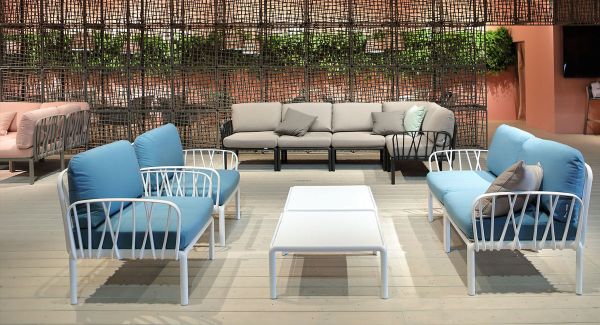
For mixed outdoor spaces, matching materials can make the setting feel calm. A resin dining set, a chaise lounge, and a side table with similar lines will look more intentional than a random mix of finishes. Outdoor-resin-furniture is a US online retailer offering Nardi and other resin outdoor furniture for patios, dining areas, pools, gardens, and commercial spaces, so the category often centers on pieces meant for these same settings.
Cleaning and care around chlorine
Routine care does not need to be complicated. Loose dirt should be removed before water is sprayed, since grit can scratch resin and coatings. Mild soap and water are usually enough for everyday cleaning. A soft cloth or brush can work on textured areas, followed by a clear rinse. Harsh abrasive cleaners can dull surfaces and leave micro-scratches that hold dirt.
Chlorine residue can leave a dry film when splashed water evaporates. On resin and aluminum, that film is usually a surface issue rather than damage inside the material. Regular rinsing is more helpful than waiting until marks build up. Where sunscreen or pool chemicals collect, a gentle cleaner and a little patience are better than aggressive scrubbing.
Cushions deserve separate attention. Outdoor fabrics are made to handle moisture better than indoor upholstery, but wet cushions can stay damp for hours and develop mildew if stored closed up. If a seating area is exposed to frequent splashes, consider resin seats with removable cushions used only when the space is dry. Keeping towel storage nearby can reduce the amount of wet fabric draped over chairs, which also lowers the chance of damp marks and slip hazards.
Choosing by where the chairs will sit
A chair directly beside a pool faces a tougher routine than one on a shaded patio a few steps away. Splash zones, gateways, and places where people sit in wet swimwear need surfaces that can be wiped often. In those spots, molded resin seats, aluminum frames, and simple hardware are practical. A chaise lounge used for drying off should have an open design and no thick padding that stays wet.
A dining area near a pool may call for resin outdoor chairs with stable legs and tables that can be cleaned after meals. A side table placed between loungers should be easy to move and light enough to rinse. Garden seating has different demands, with pollen, soil, and irrigation adding to the mix. Commercial spaces add heavier use, so structural details and finish durability deserve closer attention.
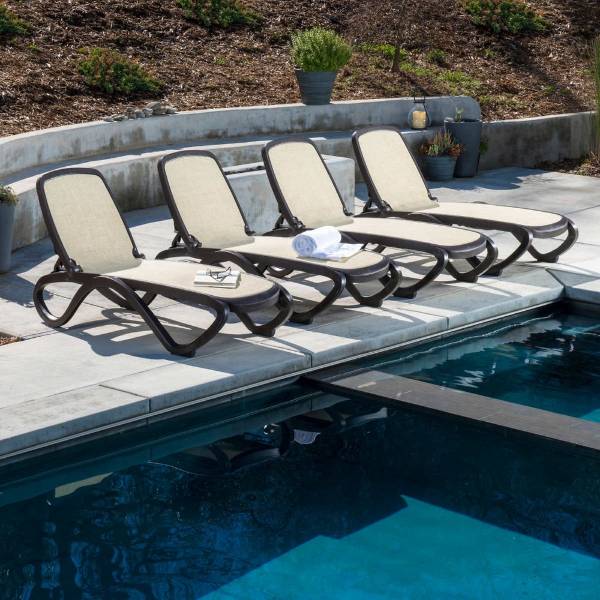
Sun exposure is worth considering alongside chlorine. A chair can be chemically tough and still become uncomfortable if it gets too hot or if a finish fades unevenly. Lighter colors may feel cooler in direct sun, while darker frames can show dust and water spots more readily. Resin can expand and contract with temperature changes, so allow normal movement in stacked or fitted pieces instead of forcing them together.
A practical way to decide
Start with the harshest spot where the chairs will be used. If that area gets regular chlorine exposure, choose nonporous surfaces, corrosion resistant hardware, and shapes that drain. If the furniture will move between pool, patio, and garden, prioritize pieces that are light enough to handle but substantial enough to feel stable. Outdoor-resin-furniture fits into this discussion as part of the wider resin outdoor furniture category, not as a substitute for checking the design details of each chair.
The short version is straightforward: molded resin and aluminum are the easiest materials to live with around frequent splashes. Resin outdoor chairs keep cleaning simple and avoid coatings that peel, while aluminum frames offer strength without rust concerns when hardware is chosen carefully. Avoid wood, natural fibers, and thick cushions in the wettest splash zones unless there is a clear plan for drying and upkeep. A chair that drains, rinses, and dries quickly will usually outlast a more decorative piece that traps water.
❧